
New PostDoc Frank Thonfeld

New PostDoc Frank Thonfeld

September 11, 2019

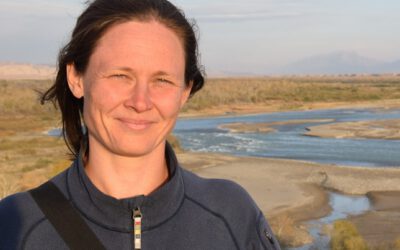
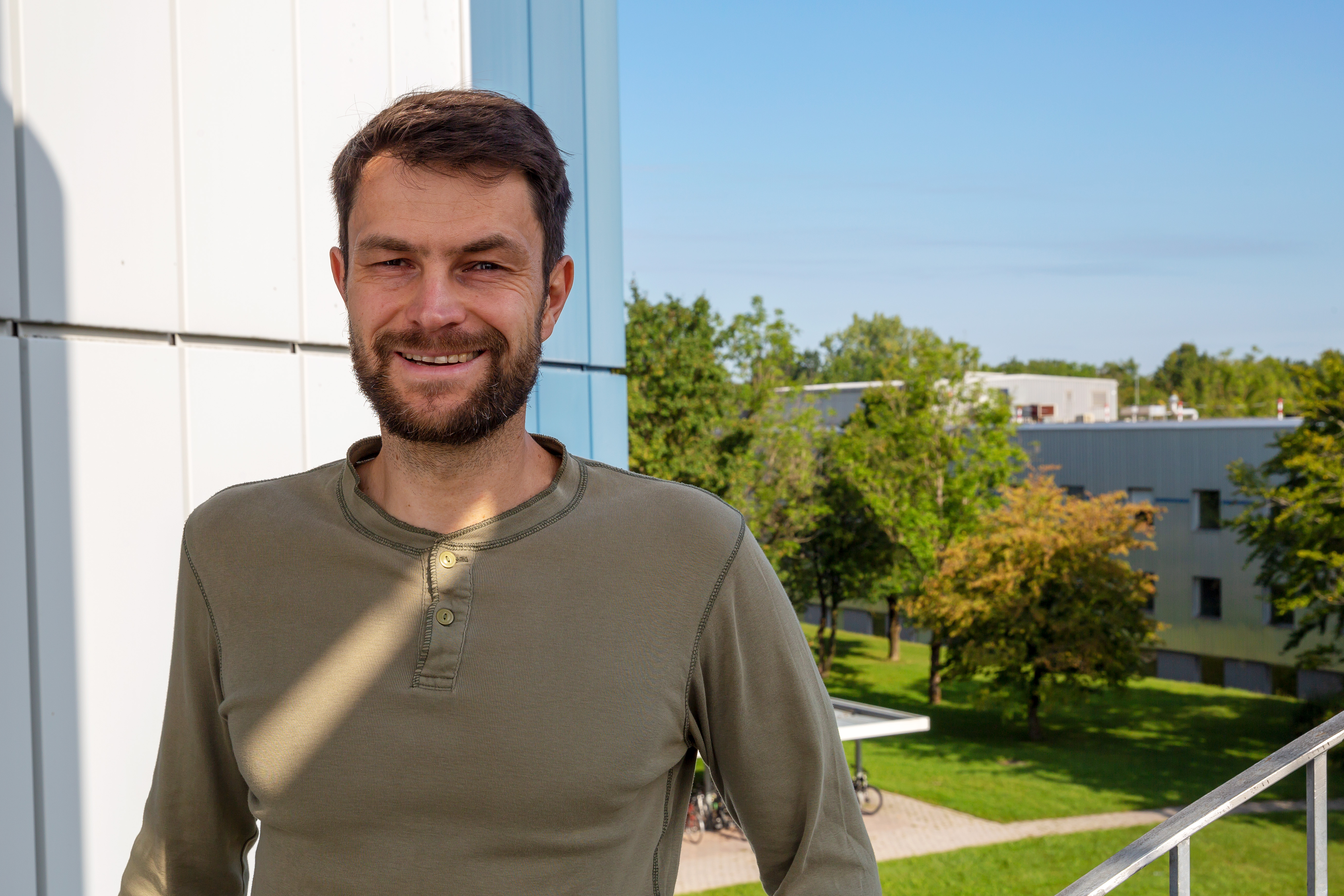
Dr. Frank Thonfeld joined the WASCAL-DE-Coop project team in August 2019. Frank grew up in a small village not far away from the birthplace of Sigmund Jähn, the first German in space. The fascination for the view from space on earth has seized him early. He studied geography (physical geography and remote sensing) at the University of Jena and later went to Bonn to obtain a doctorate. Frank became executive scientist of the center for remote sensing of land surfaces (ZFL) of the University of Bonn. Until recently, he was employed as PostDoc at the Department of Geography at the University of Bonn. He was involved in several projects dealing with climate adaptation, land use change and wetlands with regional foci in East Africa and Europe. In addition, he is also interested in remote sensing of forests including the impact of climate change and forest management processes. Frank has more than seven years of teaching experience.

follow us and share it on:

you may also like:

Our students wrote UFS press article

Our students wrote UFS press article

Our students have recently turned their fieldwork at the Environmental Research Station Schneefernerhaus into a published press article, showcasing how hands‑on glacier and snow research becomes part of real scientific communication.  Our course at...

Snow Research at Schneefernerhaus, Zugspitze

Snow Research at Schneefernerhaus, Zugspitze

Recently, our team carried out another successful field campaign at the Schneefernerhaus research station on the Zugspitze in the Alps. Together with our EAGLE students, we collected UAS-based environmental data alongside detailed in-situ measurements of snow...

Diversifying Energy Crops through Biogas Flower Mixtures

Diversifying Energy Crops through Biogas Flower Mixtures

In a recent contribution to Praxis Agrar - the practice-oriented online platform published by the Bundesinformationszentrum Landwirtschaft (BZL) - biogas flower mixtures are presented as a viable alternative to maize-dominated energy cropping systems. The article...

Share This