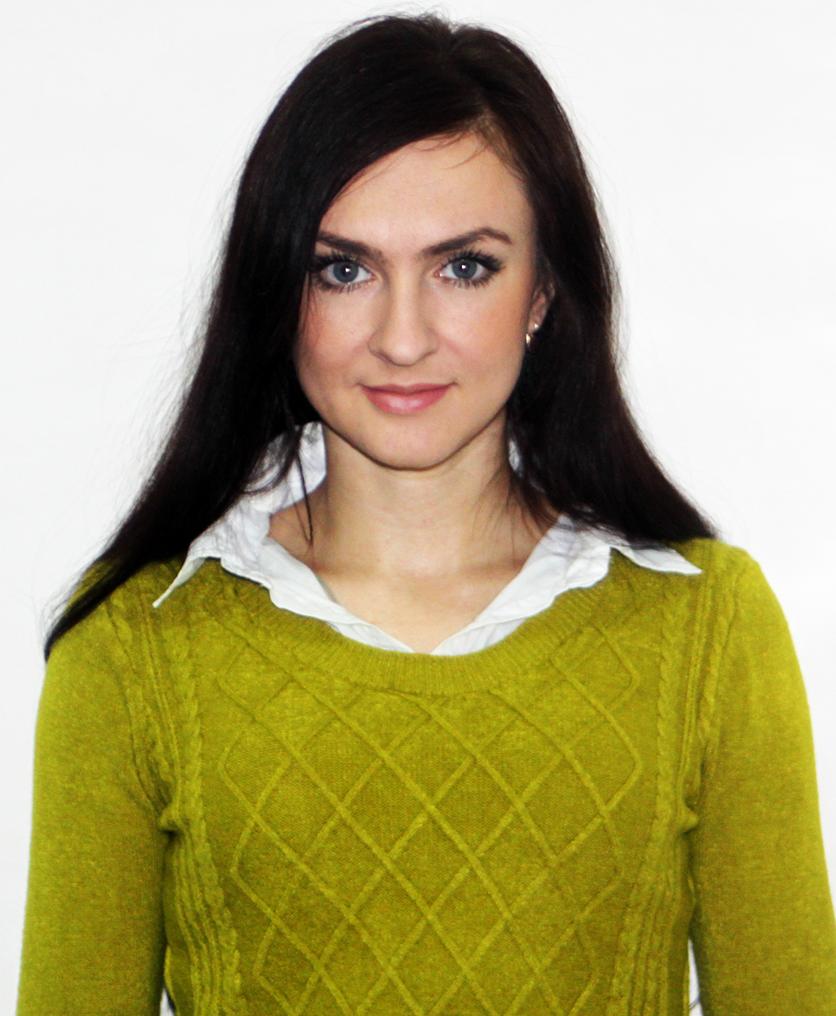

 We welcome Olga in Würzburg at our Department again. She visits us the second time in order to work and gain new expertise with colleagues from our university on modeling of rice yields, which is one of the tasks of the LaVaCCA project. In 2013 she graduated as Master of Engineering Sciences in specialty Cartograph at the Al-Farabi Kazakh National University, Almaty, Kazakhstan. The theme of the master’s thesis was Web GIS technology for thematic mapping of the Akmola region based on remote sensing data. Her research topics remote sensing and GIS were multi-sensor and multi-scale land use/ land cover, mapping, nonitoring of agriculture, building GIS database.
She participates in the LaVaCCA project as a PhD student from 20015 to 2017. Her PhD topic is: Space monitoring of rice production on Syr-Darya lower reaches area: Indicators for agricultural and environmental change. The research project deals with modeling yields in rice crops. It also examines the use of land, the stage of abandonment and restoration of previously plowed land in the Kazalinsky region, Kyzylorda region.